

CONTENTS
Turkey Trip Itinerary: The Experiences That Make You Want To Stay Longer
Check out our cabin bag collection
View All


Explore the CabinZero ADV Collection
View All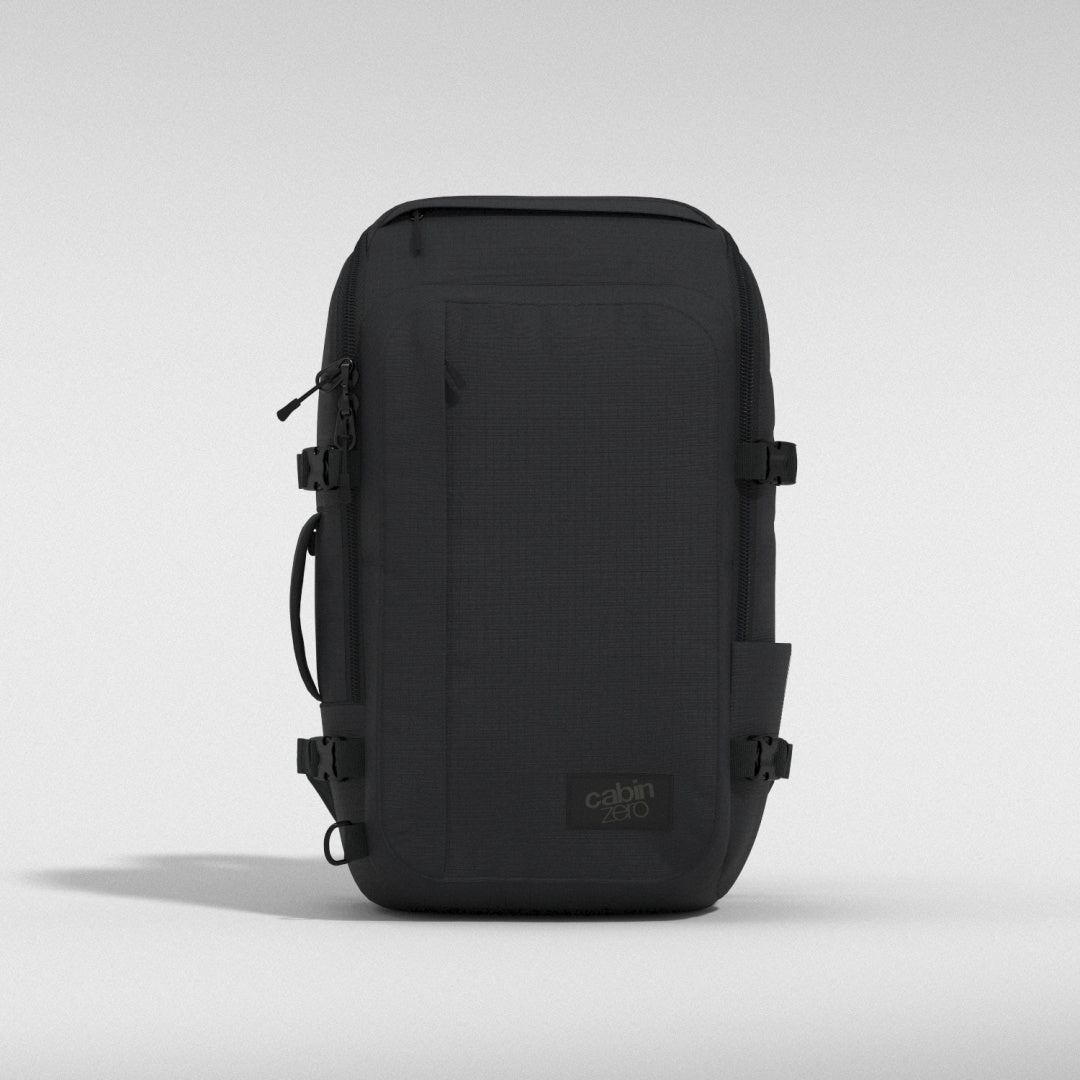


Ask someone what comes to mind when they think of Turkey, and you'll probably hear about historic cities and famous landmarks. For many travellers, that's what puts the country on their bucket list in the first place.
Read on for the iconic route of any Turkey trip: Hagia Sophia, the Blue Mosque, hot air balloons over Cappadocia, the white terraces of Pamukkale, the Celsus Library at Ephesus. If you want the sights that make people book a flight to Turkey in the first place, this itinerary covers them properly.
What To Know Before Planning Your Trip
Before finalising your Turkey trip itinerary, please start understanding a few practical details that can shape your experience.
What is the Best Month to Go to Turkey?

During early summer, you’ll have pleasant, warm days. Photo by M.studio on stock.adobe.com
We recommend spring (April - May) and autumn (September - November). During these times, the weather is usually quite cool and dry (around 25°C), ideal for participating in a range of exciting outdoor activities that we have listed in the Turkey trip itinerary below.
How to Get Around
Between Cities
Turkey is a vast country, and cities can be hundreds of kilometres apart. For example, Istanbul and Cappadocia are about 730 km apart, and it can take up to half a day to travel between them by bus or car (literally 12 hours!).
Don't want to waste time sightseeing, right? So, we highly recommend travelling by domestic flights.
Heading on to Denizli for Pamukkale, flights often route back through Istanbul rather than going direct, so build in a bit more connection time than the outbound leg.
You should book your tickets 2-4 weeks in advance to find the best deals. Some domestic carriers in Turkey include Pegasus and Turkish Airlines.
In Cities
For getting around the city, you should still take advantage of the subway.
In terms of travelling with groups, you can also take advantage of intercity buses to save money. Our top 3 favourite brands are Metro Turizm, Kamil Koç, and Pamukkale Turizm. They offer buses with reclining seats, free Wi-Fi, and even overnight trips for longer journeys.
-
Getting around Istanbul: Tram, metro and ferry cover most of this itinerary. An Istanbulkart (around 165 TL for the card, standard rides around 40-45 TL) works across every mode and is cheaper than single tickets. For the short hops between Balat, Fener and Cihangir, walking or a taxi (BiTaksi is the local app) is often simpler than working out a transfer.
-
Getting around Cappadocia: Public transport between Cappadocia’s towns exists but is limited, and many valleys are easier to reach by tour, taxi, rental vehicle, bicycle or on foot. Hotels run their own shuttles for balloon flights, ATV and scooter rental covers routes like the Rose and Love Valleys, and day tours (Red Tour, Green Tour) include transport between sites as standard. A rental car isn't necessary unless you're basing yourself outside the main villages.
-
Pamukkale/Hierapolis to Ephesus: Denizli to Selçuk is around 190km, roughly 2.5-3 hours by road whichever way you go (private transfer, tour bus or rental car). Public buses run via Denizli's otogar but add waiting time on both ends; for a one-way transit day, a private transfer or organised tour is the more comfortable call.
Get A Proper Carry-on
Three flights, plenty of walking through Istanbul's back streets, an ATV ride through the valleys, a couple of long transfer days — on this route, what's on your back matters as much as what's in it.
A Classic or Classic Tech backpack is built with cabin travel in mind, so the same bag that goes overhead on the Istanbul-Cappadocia flight is just as at home on a walk through Balat or a stroll around Ephesus. You don’t have to concern yourself with checked bags or size-gate scramble (though it's always worth checking your fare's exact cabin allowance before flying budget carriers).
For the more active days (ATV rides, ruin-walking, balloon mornings), the ADV range is built for that kind of on-and-off-the-trail use, without losing the cabin-friendly dimensions for the flights on either side.
Be Careful When In Contact With Stray Animals
If you didn't know, Türkiye is a cat lover's paradise. Stray cats (they're adorable) roam everywhere, and it's easy to pet or feed them. However, getting scratched is a risk. You should get a rabies vaccination at a hospital.
Typically, you'll need 3-4 shots (around 380 Lira plus 300 Lira for the consultation). It's best not to go to a private clinic. Note that private hospitals will only quote the bill after you've received the injections (sometimes up to $350 per shot). You wouldn't want to incur any hospital costs in your carefully planned Turkey trip itinerary. So, if possible, get vaccinated at a familiar clinic before you travel.
How much does the average trip to Turkey cost?
Typically, you'll need around $1500 for a solo trip in a week or 10 days in Turkey (group trips are cheaper). We consider this a fairly comfortable budget, including:
-
Round-trip airfare: $300 (depending on where you fly from)
-
Domestic transportation: $120
-
Accommodation: $20-$35/night × 9 = $180-$315
-
Food and drinks: $50 × 10 = $500
-
Entrance fees & tours: $20 × 5 = $100 (+ hot air balloon ride: $150-$300; or $ 2000 for a private seat for 2-4 people)
Note: Inflation in Türkiye is very high (around 50% per year), so most prices you see online/reviews/blogs are outdated. Prices will usually increase by about 1.5 times or even double to allow for comfortable spending.
Tipping culture in Turkey

There are a few small notes on the tipping culture here. Photo by Mazur Travel on stock.adobe.com
Tip at least 5% of the bill for casual restaurants, and 10%~15% for upscale restaurants. If you're at a cafe or bar, leave change, rounding up the bill to the nearest whole amount. (For example: if the meter says 270 lira, you give the driver 300 lira (that’s from $5 to $7 – still pretty cool, right?).
The same for hotel porters, housekeepers and tour guides. You should change small denomination bills such as 20, 50 and 100 Lira (TL) beforehand.
A 10-day cultural Turkey itinerary through Istanbul, Cappadocia, Pamukkale, Hierapolis and Ephesus
|
Day |
Base |
Main plan |
|
1 |
Istanbul |
Sultanahmet: Hagia Sophia, Blue Mosque, Basilica Cistern |
|
2 |
Istanbul |
Balat, Fener and the Golden Horn |
|
3 |
Istanbul |
Taksim, İstiklal and Cihangir |
|
4 |
Cappadocia |
Fly in, Göreme and sunset viewpoint |
|
5 |
Cappadocia |
Open Air Museum, valleys and ATV tour |
|
6 |
Cappadocia |
Balloon ride and relaxed afternoon |
|
7 |
Pamukkale |
Transfer and travertines |
|
8 |
Pamukkale |
Hierapolis and Cleopatra’s Pool |
|
9 |
Ephesus |
Transfer and local evening |
|
10 |
Ephesus |
Ephesus ruins and departure via İzmir |
Where to base yourself
|
Destination |
Recommended base |
|
Istanbul |
Sultanahmet for first-time convenience; Karaköy for dining and nightlife |
|
Cappadocia |
Göreme for tours and walkability; Uçhisar for quieter views |
|
Pamukkale |
Village centre for an early start |
|
Ephesus |
Selçuk for access to the ruins and transport |
Prefer the coast?
Swap Pamukkale and Ephesus for:
-
Day 7: Fly to Antalya
-
Day 8: Kaleiçi and waterfalls
-
Day 9: Aspendos or a coastal boat trip
-
Day 10: Beach morning and departure
Days 1-3: Istanbul
Day 1

The beauty of Hagia Sophia after the sunset. Photo by Fyle on stock.adobe.com
Istanbul has two main airports, so check your arrival airport before planning the transfer. Istanbul Airport (IST) is on the European side. The other, Sabiha Gökçen Airport (SAW), is on the Asian side and usually takes longer to reach Sultanahmet.
From Istanbul Airport, you can take the M11 metro towards Gayrettepe and connect with the city’s metro and tram network. The Havaist airport bus is simpler when you have luggage. From Sabiha Gökçen, the M4 metro, Havabüs service or a taxi can take you towards Kadıköy or Taksim, where you can continue to your hotel.
Allow at least 60–90 minutes for the airport transfer, and longer during rush hour. Day 1 is already fairly full, so travellers arriving after midday should treat Hagia Sophia, the Blue Mosque and the Basilica Cistern as options rather than a checklist.
What to do:
-
Start your morning with a walk to Hagia Sophia, an architectural masterpiece nearly 1,500 years old. (Entrance fees to Hagia Sophia in 2026 are usually around €25).
-
Walk to the Blue Mosque nearby. The dress code is long trousers that cover the knees and shirts that cover the shoulders and chest. Female visitors must cover their hair, ears and neck with a scarf. Take off your shoes before going in.
-
Visit the Basilica's Underground Reservoir. Observe the soft light and reflections on the water's surface.
-
Enjoy some delicious grilled meatballs at Sultanahmet Köftecisi.
Day 2
From the Basilica's Underground Reservoir, you can take a taxi to Balat in 10 minutes. The city is known as a picturesque neighbourhood in Istanbul.
What to do:
-
Bring your camera to capture the poetic scenery of colourful wooden houses, quaint shops, and steep cobblestone streets. Going before 10 am will be quieter.
-
Visit the famous Merdivenli Yokuş staircase. These steep stone stairs come with rows of brightly painted 50- to 200-year-old Ottoman wooden houses.
-
Visit the Ecumenical Patriarchate in Fener district, as it is the spiritual centre of the Eastern Orthodox Church and one of the most important religious organisations in the Christian world.
-
Visit one of Istanbul's most unique cathedrals – St. Stephen's Cathedral (also known as the Iron Cathedral).
-
Take the T5 tram along the Golden Horn and enjoy the beautiful city.
-
In the afternoon, go to the local market and find shops selling rosaries, religious books, handicrafts and everyday items used by the locals.
Day 3
For a Turkey travel guide 2026, we can’t miss the iconic Taksim Square, known as the heart of Istanbul. Start at this Square and follow İstiklal Avenue downhill towards Galata. Most of the route can be covered on foot, although the side streets around Galata and Cihangir are steep, so comfortable shoes will earn their place in your bag.
What to do:
-
Step inside Çiçek Pasajı and explore the nearby side streets around the old fish market.
-
Visit Pera Museum for art, photography and a quieter break from the crowds. It sits near Şişhane, just off the main route, and is closed on Mondays
-
Walk around Istiklal Avenue, a place that everyone visiting Istanbul wants to check out at least once.
-
Wander through Çukurcuma’s antique shops and small galleries.
-
Take a photo of the nostalgic red T2 tram, a living postcard of Istanbul.
-
Stroll downhill along Sıraselviler Street and turn into the quieter side streets leading to Cihangir in about 10 minutes.
-
Find Fida Cafe and enjoy its artistic interiors, Shehrengiz's Cafe for its street art view and Cihangir Cafe for its local vibe and organic Turkish food.
-
Go to the C.I.P Cultural Interactions Point to join a Turkish culture class for 2 hours.
Days 4-6: Cappadocia
Day 4-5

The Rose Valley can make you feel so small and insignificant. Photo by Leonid Andronov on stock.adobe.com
Any Turkey trip itinerary wouldn't be complete without a visit to Cappadocia – a "fairyland" with its majestic rocky landscapes and ancient caves.
You can get to IST or SAW from Cihangir by taxi or airport shuttle. From there, a direct flight to Kayseri is usually around 1 hour 15 minutes to 1 hour 30 minutes, and the last shuttle to a Cappadocia hotel is generally about 45 minutes to 1 hour 15 minutes.
What to do:
-
Head to Gallery Ikman to start your day with some ceramic works and traditional crafts.
-
Walk about 15 minutes to Göreme Open Air Museum (you can opt for an audio guide), a complex of ancient Byzantine rock churches including the Dark Church, Elmali Church, Azize Barbara Church and Karanlık Church.
-
Try dishes like kebab, manti or baklava in Uçhisar and experience more of the local lifestyle.
-
Enjoy a Cappadocia ATV tour. The ATV ride lasts about 2 hours and takes you through the Valley of Love and the Valley of Roses. The famous Love Valley rock formations are one of the highlights.
Day 6
The next day will be a relaxing day dedicated to hot air balloon experiences and relaxation. Depart early at 5:30 AM to prepare for your hot air balloon ride from 6–8:30 AM. This is arguably the best way to see Turkey, with stunning sunrise views from above, encompassing valleys, cave houses, and pink cliffs.
Afterwards, you can have a light lunch and check into the Göreme/Üçhisar cave hotel with a room overlooking all the rock formations. You can take a bath and order a massage to relax after all the hiking. At the end of the day, be sure to take a night stroll through Göreme and capture photos of the nightscape.
Note: You need to book your tickets in advance, especially during peak season in April and May.
CabinZero's tip:
-
Bring a warm jacket and sneakers as the weather is quite cold in the early morning.
-
Use a wrist-strapped camera, not a selfie stick, to avoid it falling during the flight.
Days 7–10: Pamukkale, Hierapolis and Ephesus
Days 7

A view of Pamukkale thermal pools travertine. Photo by muratart on stock.adobe.com
To get from Cappadocia to Pamukkale, take a shuttle to Kayseri or Nevşehir Airport, fly to Denizli (usually with a stop in Istanbul), and continue by shuttle to Pamukkale. You will need to spend at least 5 hours, so take time and recharge.
Known as the "Cotton Castle", Pamukkale is famous for its bright white limestone steps formed by mineral-rich water flowing down the hillside over thousands of years.
In ancient times, wealthy Romans used to come here to bathe in these waters, which were believed to improve blood circulation and treat bone and joint problems.
However, we also want to note that in real life they don't look like the famous endless pools with turquoise water you see online. Much of the original water flow has been carefully regulated over the years to help preserve and restore the fragile limestone steps.
Furthermore, you are only allowed to walk barefoot on some sections of the limestone steps. The surface might be a little slippery, but it will be one of the most memorable experiences of your Turkey trip itinerary.
Day 8
Founded as a Roman town, Hierapolis grew up around the area’s famous hot springs and has been attracting relaxation-seeking visitors long before the days of modern tourism. Start early and give yourself most of the day here. Hierapolis sits just above the Pamukkale terraces, so the easiest plan is to combine both rather than treat them as separate trips.
What to do:
-
Walk through the ancient city gates and follow the main street towards the centre of Hierapolis.
-
Visit the Hierapolis Great Theatre, just a short walk from the limestone steps. The theatre seats about 15,000 spectators and is one of the best-preserved Roman structures in Turkey.
-
If you feel like it, go to the top row of seats in the theatre for wide views across the ruins.
-
Stop at the Temple of Apollo and learn more about the religious side of the ancient city.
-
Explore the Plutonium, once believed to be an entrance to the underworld.
-
Walk through the ancient necropolis, where you can see tombs and sarcophagi from different periods.
-
Visit the Hierapolis Archaeology Museum, set inside the former Roman baths.
-
Swim in Cleopatra’s Pool if it is open. Find a collection of ancient Roman columns and stone fragments lying underwater.
-
Finish with a slow walk back across the Pamukkale terraces and stay for the softer late-afternoon light.
Day 9-10: Selçuk and Ephesus

The Celsus Library is a must on any Turkey trip itinerary. Photo by muratart on stock.adobe.com
Travel from Pamukkale to Selçuk on Day 9. The journey takes around 2.5–3 hours by road, so keep the afternoon fairly relaxed. Check in, leave your luggage and have a wander around Selçuk. On Day 10, head to Ephesus early before the heat and tour groups arrive. Allow at least three hours for the site, then return to Selçuk for lunch and collect your bags before continuing to İzmir.
What to do:
-
Start around 8 AM and check in around the marble-paved streets and imposing buildings.
-
See the Library of Celsus, one of the most recognisable sights in Ephesus.
-
Stop at the Temple of Hadrian and look out for the detailed carvings.
-
Walk through the Great Theatre, which once held thousands of spectators.
-
Visit the Terrace Houses if you want to see mosaics, wall paintings and how wealthy Romans lived.
-
Take your time along Curetes Street rather than rushing from one landmark to the next.
-
Visit the Celsus Library. Dating back to the 2nd century AD (that's quite ancient!), it houses thousands of scrolls – symbols of knowledge and prestige in the city.
A Checklist Before You Go
Check Visa Requirements
Regarding visa regulations, Turkey has quite flexible policies for tourists. Up to 90 countries are visa-free for travel within any 90-day period within an 180-day period (including the US, UK, Canada, Australia, etc.)
Note that you can stay in Turkey for a maximum of 90 days within any 180-day period, not between 90 and 180 days.
For example, if you enter Turkey on January 1st and stay for 90 consecutive days, you must leave before the end of March and spend enough time outside Türkiye before being eligible for another long-term stay.
Other countries need to check Turkey eVisa requirements 2026 before departure. Check the full list here.
You will need a passport valid for at least six months and use a credit card to pay online. After your visa is granted, keep a copy or print it out so that immigration officers can easily check it.
Buy An Esim
If your Turkey trip itinerary includes multiple destinations such as Istanbul, Cappadocia, and Antalya, you should purchase an eSIM before departure to avoid expensive roaming charges. Searching for the best eSIM network in Turkey, we recommend plans using the Türk Telekom network.
Pack Clothes Smartly
For travellers preparing for their first time in Turkey itinerary, many will wonder, “What is the 3-3-3 rule for clothing?” It’s actually quite simple.
Instead of bringing a different outfit every day, pack three shirts, three pairs of pants, and three pairs of shoes, then mix and match them throughout your trip. This way, you can still prepare outfits you like without bringing too much.
Do Female Travellers Need To Cover Up When Visiting Turkey?

Cover your hair, shoulders, and knees when entering active mosques. Photo by transfers-film - stock.adobe.com
In most destinations, the answer is no. Although it’s a predominantly Muslim country, cities like Istanbul, Cappadocia, and Antalya generally have a relaxed dress code.
Only when entering a mosque do women need to cover their hair and wear clothing that covers their shoulders and knees. A good tip is to always bring a light scarf or sarong to cover yourself when needed.
Explore With The Proper Luggage
And of course, an essential item for any long trip, and especially for a Turkey trip itinerary, is a durable backpack. A 32L backpack is usually sufficient for a 10-day Turkey itinerary, especially if you frequently move between cities. We find a 32L backpack particularly useful for carrying a reusable water bottle, a pair of shoes for walking around, a lightweight towel, 3 changes of clothes, snacks, and sunscreen.
For the best choice, we would love to share our CabinZero ADV 32L Backpack. This is our best-selling model for those travelling around the world and has received many positive reviews.
FAQs
1. Turkey Museum Pass Worth It 2026?
Usually, yes. The official MuseumPass Türkiye currently covers more than 350 museums and archaeological sites, is valid for 15 days from first use, permits one entry to each included site and costs €165.
2. How Many Days In Turkey Is Enough?
As our experience, we would recommend spending seven to ten days exploring the country. This way, you can explore the best attractions and take time to relax between several cities.
3. Is It Safe For Us Citizens To Go To Turkey Now?
We can say yes to this question. As of June 2026, the US State Department rates Türkiye Level 2: Exercise Increased Caution, citing terrorism, armed conflict and arbitrary detentions, with stronger warnings for border areas near Syria and Iraq. It also advises avoiding demonstrations and remaining alert in tourist areas. The UK FCDO likewise advises against travel to specified parts of Türkiye and has updated its guidance as recently as 22 July 2026 because of regional tensions. Be sure to check the Travel State Advisory.
4. Is $1000 Enough For A Week In Turkey?
Actually yes, if you’re travelling on a budget, such as staying in hostels and eating local food. For more comfortable options like guided tours or private hot air balloon seats, you will expect to spend closer to $2000 per week.
5. What Not To Bring Into Turkey?
Most normal holiday items are fine, but leave controlled drugs, firearms, offensive weapons, self-defence sprays and products made from protected plants or animals at home. Meat, dairy and other animal-based food products may also be refused at the border. If you need prescription medicine, keep it in its original packaging and bring a prescription or doctor’s letter explaining why you need it. Some medicines that are common elsewhere may be controlled in Turkey, so check before you travel. When in doubt, use the red customs channel and ask.
Wrapping Up
We hope that our Turkey trip itinerary will provide you with enough insights and tips to make the most of your time here. CabinZero always try our best to update the latest information and reviews about travelling around the world as much as possible. So, if you have any questions related to this itinerary, please share them with us in the comment section below. Also, don’t forget to share the article with your friends too. Thank you so much!
Ha Ngan


